
Samad Shoeb's Advice to Parents : How to Spot and Nurture a Shy Child's Potential
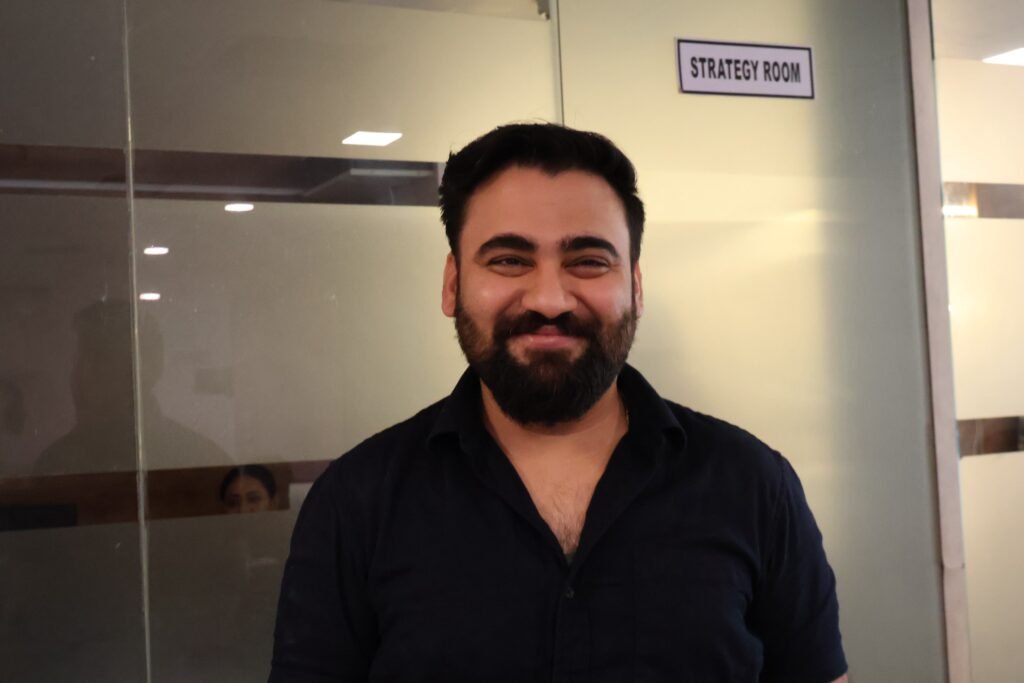
Your child is chatting away at home, cracking jokes, telling you every detail of their day. Then you take them to a birthday party and nothing. They stand near you, arms crossed, watching everyone else play. Sound familiar? If you’ve ever wondered whether something’s “wrong” with your child in moments like this, take a breath there probably isn’t. What you’re seeing is shyness, and it’s one of the most common, most misunderstood things a parent will navigate.
At Oratrics, this comes up in almost every parent conversation the team has. Founder Samad Shoeb has spent years working directly with kids on public speaking and personality development, and here’s the thing he keeps coming back to, shy children aren’t confident kids who haven’t arrived yet. They’re already capable. They just need a setting where that capability doesn’t feel so risky to show.
So let’s talk about how to actually spot a shy child, what’s going on underneath it, and what you can do practically, not theoretically to help without pushing them into being someone they’re not.
Understanding Shyness in Children, Is It a Problem or a Personality Trait?
First things, first shyness, isn’t a diagnosis. It’s a temperament. Some kids are naturally more sensitive to new people and new places, the same way some adults dread walking into a networking event while others thrive on it. Nothing broken there, just wiring.
The Difference Between Shyness and Introversion
People mix these up constantly, and it matters that you don’t. A shy child usually wants to join the group but something in them says don’t that’s anxiety talking. An introverted child might be completely fine speaking up; they just get drained by too much social time and need to recharge alone afterward. You can be a shy extrovert. You can be a confident introvert. Figuring out which one is sitting in front of you changes what actually helps.
What Child Psychology Says About Shy Behavior
Most developmental psychologists will tell you shyness comes from a blend of two things: temperament your child was more or less born with, and how the adults around them respond to social slip-ups. It’s not a character flaw, and here’s something that surprises a lot of parents. Shy kids often test just as high, sometimes higher, on empathy and reading social situations compared to their louder classmates.
Why Samad Shoeb Believes Shyness Isn’t Something to “Fix”
One thing Samad Shoeb has said repeatedly to parents at Oratrics: the goal was never to turn a quiet kid into the loudest voice in the room. That’s not the win. The real win is a child who feels safe enough to say what’s already in their head. Every program Oratrics builds around personality development starts from that idea: work with a child’s natural wiring, don’t try to swap it out for a different one.
7 Signs Your Child Might Be Shy And What They Really Mean
You don’t need a checklist to know your kid is shy. But it helps to know which patterns actually mean something.
Avoiding Eye Contact or Group Activities
Floor-staring, standing at the edge of the group, angling their body away from people, none of this is rudeness. It’s usually a kid trying to feel less visible because feeling visible is uncomfortable for them right now.
Speaking Freely at Home But Going Silent in Public
This one’s the giveaway, honestly. If your child talks your ear off at the dinner table but won’t say a word to their teacher, that gap tells you everything. The words are there. The environment is the problem, not the child.
Taking Longer to Warm Up to New Situations
Some kids walk into a new class and are best friends with someone in ten minutes. A shy child might need the whole first session just to feel okay being in the room and that’s fine. It’s not a red flag, it’s just their pace.
Preferring One-on-One Interactions Over Groups
Notice your child is completely relaxed with one friend but tenses up the second three or four more kids show up? That’s a strong clue this isn’t about social skill at all, it’s about volume. Crowds feel like a lot; one person doesn’t.
The Hidden Potential Behind a Shy Child
It’s easy to only see what shyness gets in the way of. But there’s a flip side worth paying attention to.
Strong Listening and Observation Skills
Shy kids tend to watch before they act, and that habit builds something valuable, they notice things. Teachers often say these are the children who pick up on a classmate having a bad day before anyone else does.
Deep Thinking and Thoughtful Decision-Making
Because a shy child usually processes internally before saying anything out loud, what they end up saying tends to be considered, not off-the-cuff. That’s a trait that ages very well into better writing, better decisions, better leadership later on.
Creative and Reflective Tendencies
A lot of shy kids gravitate toward books, drawing, or building elaborate imaginary worlds things that don’t ask them to perform in front of an audience but still let their creativity run wild.
Samad Shoeb's Approach to Nurturing Confidence in Shy Children
Spotting the signs is the easy part. What do you actually do about it? That’s where most parents get stuck.
Creating Safe Spaces for Self-Expression
If there’s one consistent takeaway from Oratrics’ work with shy kids, it’s this: confidence grows quietly, in low-pressure rooms not on a stage in front of forty people. A child who’s scared of being laughed at will close up further, not open up. Small settings where mistakes aren’t a big deal are where the real shift happens.
Celebrating Small Wins Instead of Forcing Big Change
Telling a shy child to just go talk to everyone at a family function almost never works, and it can genuinely set them back. What works instead is noticing the small stuff. They answered one question in class today, they said hi to a new kid, they read two lines out loud without being asked twice. Progress here isn’t a straight line, and treating tiny steps like real wins keeps a child moving forward instead of shutting down.
Why Comparison With Other Kids Backfires
Why can’t you be more like your cousin? even said as a joke, this does real damage. It tells a shy child their natural personality is something to apologize for, and that almost always makes the anxiety worse, not better. Every child gets confidence on their own timeline. Comparing them to someone else’s timeline just isn’t fair.
Practical Tips for Parents to Build Their Child's Confidence at Home
You don’t need a formal program to start. A lot of this begins at the dinner table.
Encouraging Daily Conversation Without Pressure
Something as simple as what was the best part of your day? builds the habit of speaking up in a setting with zero stakes. It’s not really about what they say, it’s about normalizing the act of saying anything at all.
Using Storytelling and Role-Play to Build Expression
Plenty of shy children find it far easier to speak as a character than as themselves. Puppet play, acting out a scene from their favorite story, making up voices, these are gentle bridges toward speaking as them, eventually.
Involving Children in Decision-Making at Home
Let your child pick what’s for dinner. Ask them why. Let them choose the weekend plan and explain their reasoning. Small as it sounds, this builds the actual muscle of forming and voicing an opinion somewhere nobody’s going to judge it.
How Structured Activities Help Shy Children Come Out of Their Shell
At some point, a lot of parents start looking beyond home routines. That’s usually where the right kind of program can genuinely move the needle.
Role of Public Speaking and Personality Development Programs
Good public speaking and personality development classes work for shy kids specifically because they’re built on gradual exposure, small steps, familiar faces, repeated practice instead of throwing a child straight into the deep end and hoping they swim.
Why Group Learning Environments Work Better Than One-Off Pep Talks
One motivational session doesn’t change much, if we’re honest. What actually builds confidence is showing up week after week with the same group of kids, watching your own progress add up over time.
What to Look for in a Program Designed for Shy Kids
Not every program is built for a shy child, and that matters. Look for smaller batches, trainers who’ve specifically worked with reserved or anxious kids before, and a curriculum that eases a child in rather than expecting a performance on day one.
When to Seek Extra Support for Your Child
Most shyness sits comfortably within normal. But there are moments worth paying closer attention to.
Signs Shyness May Be Affecting Academic or Social Life
If your child is avoiding school altogether, hasn’t made a single friend over a long stretch, or shows physical distress stomachaches, crying, flat-out refusing to go to events tied specifically to social situations, that’s worth a conversation with a teacher or a child psychologist alongside anything you’re doing at home.
How Oratrics’ Programs Are Designed to Help
Oratrics builds its personality development and public speaking programs around exactly this: meeting a shy child where they actually are, not where a curriculum assumes every kid should be, and letting confidence build at a pace that feels safe rather than forced.
Conclusion
Knowing how to spot a shy child was never about labeling them, and it’s definitely not about fixing them. It’s about understanding them well enough to make them feel safe. Give a shy child patience, the right kind of support, and a place that celebrates small wins over big performances and their quiet strengths, the deep thinking, the empathy, the sharp observation will grow into real, lasting confidence.
If you’re looking for a space built specifically for kids who need that gentler path forward, Oratrics’ personality development and public speaking programs are designed around exactly this philosophy.
FAQs
Yes, completely. It shows up at any age but tends to become more noticeable around 4 to 8, once kids start dealing with bigger social groups like school. It’s a temperament trait, not something gone wrong.
Yes and often a genuinely good one. Shy kids tend to think before they speak, and once they’ve had structured practice, that habit turns into thoughtful, well-prepared communication rather than nervous rambling.
Most educators point to somewhere between 6 and 10 old enough to actually engage with structured activities, young enough that good habits stick early.
It depends on the child, honestly. But with consistent practice, 2 to 3 months usually shows real, if gradual, movement. Confidence rarely arrives overnight; it’s built one small step at a time.