
What Is Samad Shoeb's Vision for Education?
Ask most founders what problem they’re solving, and you’ll get a pitch. Ask Samad Shoeb, and you’ll get a memory of being a teenager who knew the answers but couldn’t say them out loud in class. That memory is really where the Mission and Vision of Learning behind Oratrics began, and it’s why the company has grown from a Bengaluru-based idea into a personality-development platform reaching learners across 22+ countries in just a few years.
Samad Shoeb, Founder and CEO of Oratrics, has built his career around a fairly simple but often-overlooked observation: schools are very good at teaching subjects and not nearly good enough at teaching students how to use what they know. That gap – between academic performance and real-world confidence – sits at the center of everything he’s tried to build.
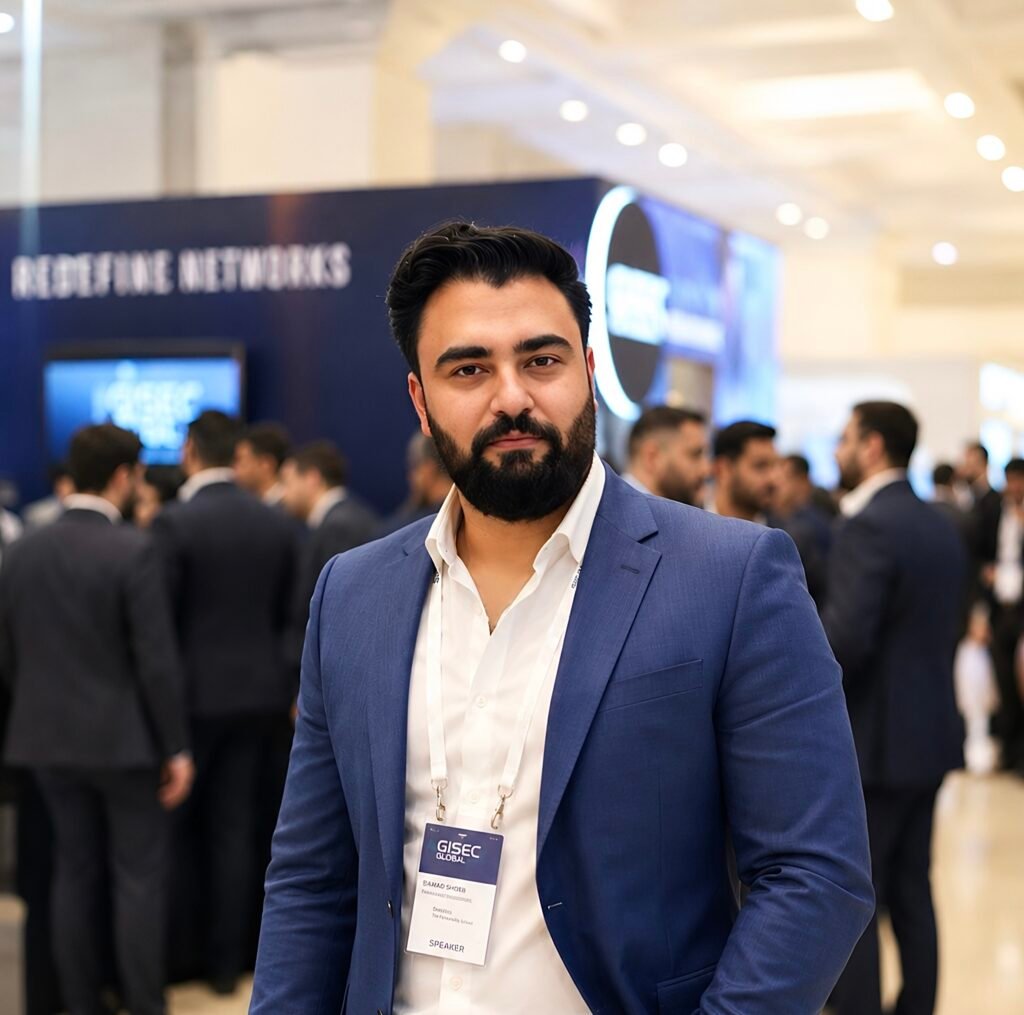
The Problem That Shaped His Vision
In interviews, Samad has been consistent about what pushed him to start Oratrics. Students, he noticed, were excelling academically while quietly struggling with confidence, communication, and the practical skills that tend to matter most once school is over. Traditional education, in his view, rewards grades but leaves personality, self-expression, and real-world readiness almost entirely untouched.
He’s also pointed to a more personal motivation. He said his goal is to help the next generation avoid the confidence barriers he watched his own parents’ generation face, the idea being that parents today want more than good marks for their kids; they want children who can walk into a room, speak up, and hold their own.
The Mission and Vision of Learning at Oratrics
This is where Samad Shoeb’s philosophy turns into something concrete. The mission and vision of learning he’s built at Oratrics rests on a few core ideas:
- Communication as a foundational skill, not an elective. Public speaking, personality development, and confidence-building sit alongside academics rather than beneath them.
- Access without privilege. Programs are designed to work without expensive infrastructure, so learners in smaller towns and remote geographies aren’t left out.
- Technology in service of human connection. AI and gamified tools are used to personalize learning, but the goal is always to strengthen human interaction, not replace it.
- A shared responsibility. Parents, teachers, and local communities are treated as partners in a student’s development, not bystanders to it.
Shoeb has described the underlying ambition plainly: no matter where a child or working professional is located, they should have an equal shot at developing communication, creativity, and confidence. It’s a vision built less around exam scores and more around whether a learner can actually express themselves when it counts.
From Vision to Practice : How Oratrics Delivers It
Conversations are cheap in EdTech, so it’s worth looking at how this vision actually shows up in the classroom. Oratrics runs programs spanning public speaking, personality development, confidence building, creative writing, financial literacy, leadership, and online math – built for kids, teens as well as working professionals through its corporate training arm.
The company has intentionally kept its tools lightweight and intuitive, so they hold up even in areas with limited digital infrastructure. Affordability is treated as a design constraint, not an afterthought, because the whole point of the mission collapses if the programs only reach students who could already afford private coaching.
A Global Vision, Grown From a Local Problem
What started as a way to help students in one city has since expanded into a presence across more than 20 countries, with recent moves into markets like Singapore alongside its established operations in India and the US. That expansion hasn’t changed the core idea, it’s just given it a bigger stage. Shoeb has said the underlying goal stays the same everywhere Oratrics operates: help learners build the confidence and communication skills that stick with them for life.
Looking ahead, that vision is tied to a clear target reaching one million students by 2030. It’s an ambitious number for a bootstrapped company, but it fits a founder who has generally preferred steady, product-led growth over flashy fundraising milestones.
Why This Vision Matters Right Now
Employers consistently rank communication, adaptability, and confidence among the skills new graduates lack most – even when their technical knowledge is strong. Shoeb’s vision speaks directly to that mismatch. Rather than treating soft skills as a “nice to have,” his mission and vision of learning treats them as prerequisites for actually using an education once school ends.
For parents evaluating skill-development programs for their children, or professionals looking to build executive presence, that’s a useful lens: does this program build confidence you can use in a real room, with real people, under real pressure? That’s the bar Shoeb has set for his own company – and it’s not a bad bar for anyone else to measure against, either.